Written by Paul Regan, ©paulregan.studio
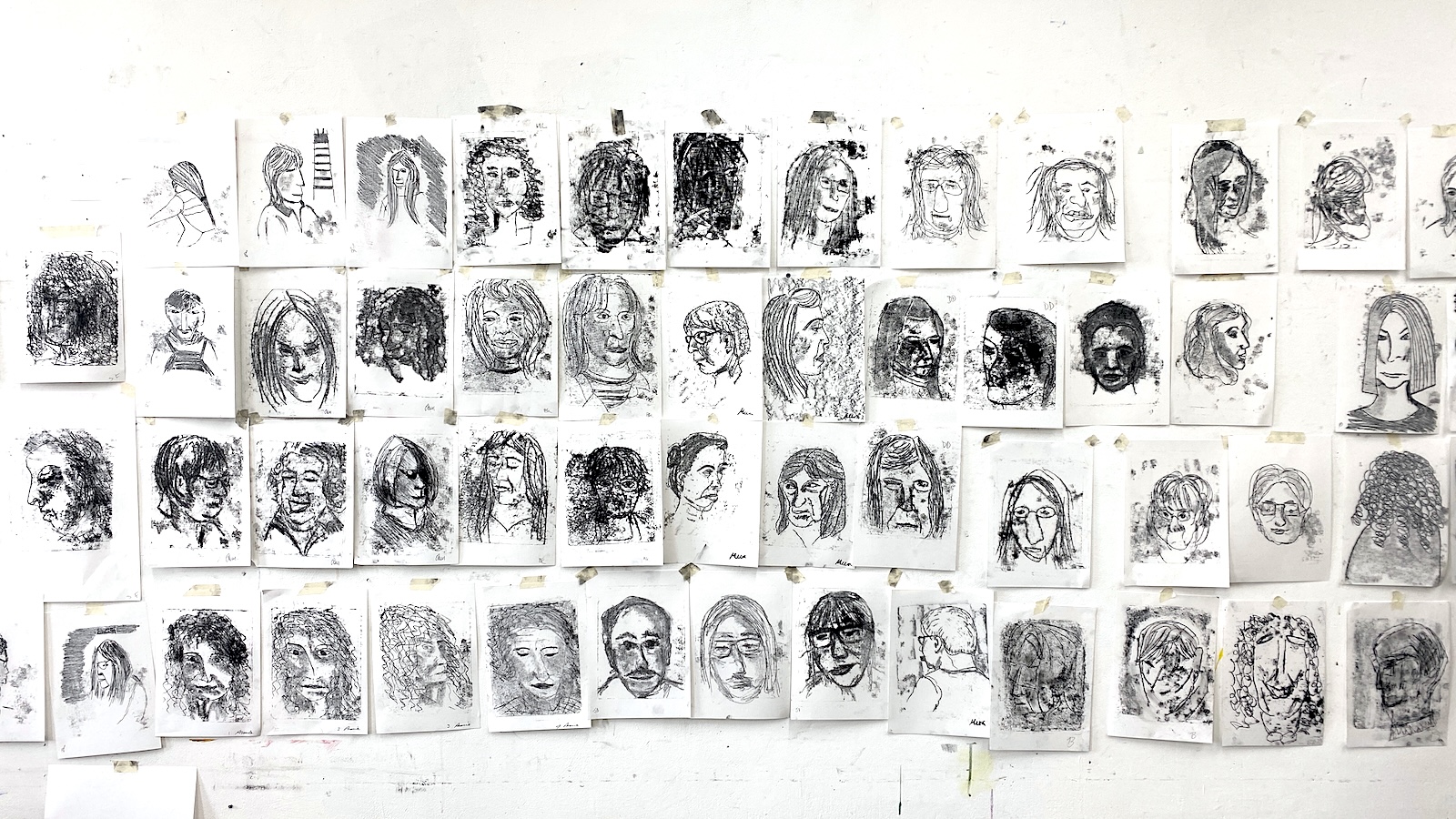
To start off, I talked about examples of mono prints by known artists:
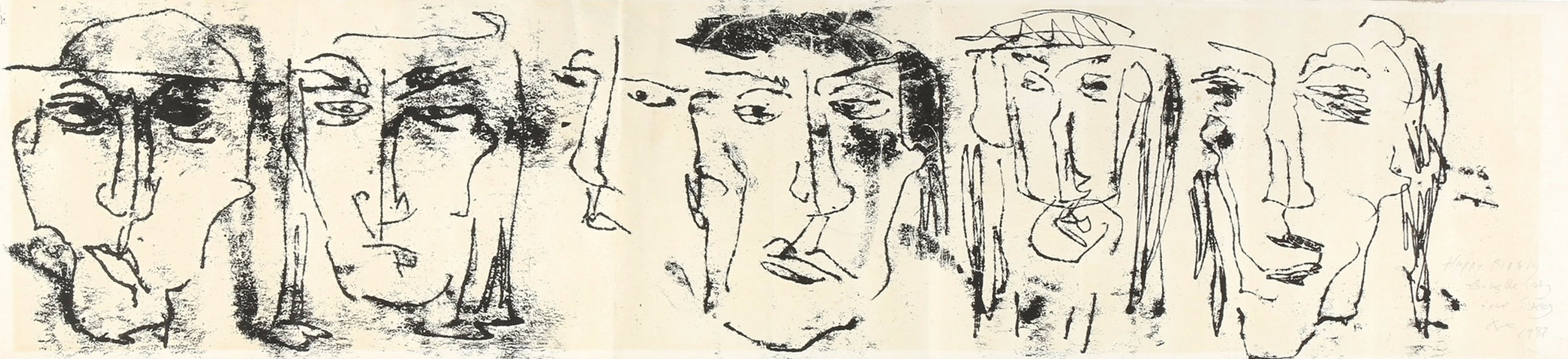
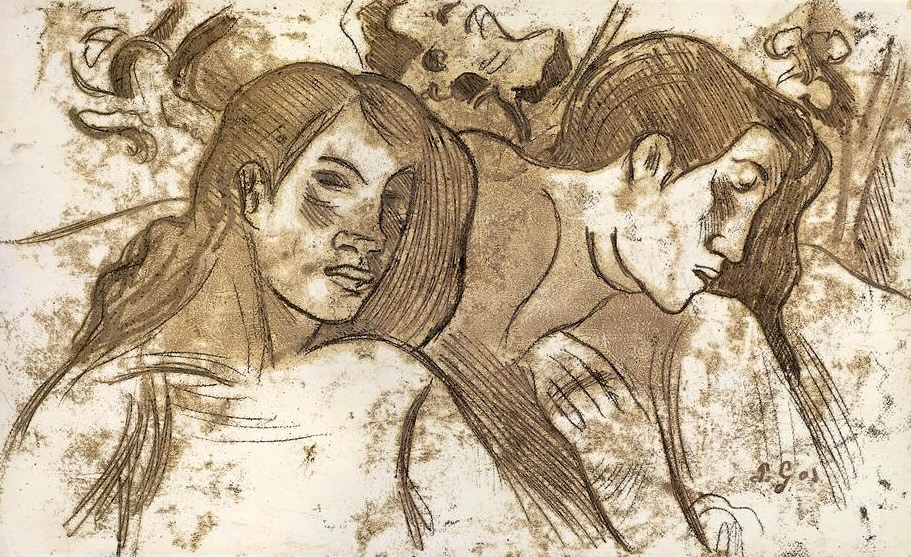
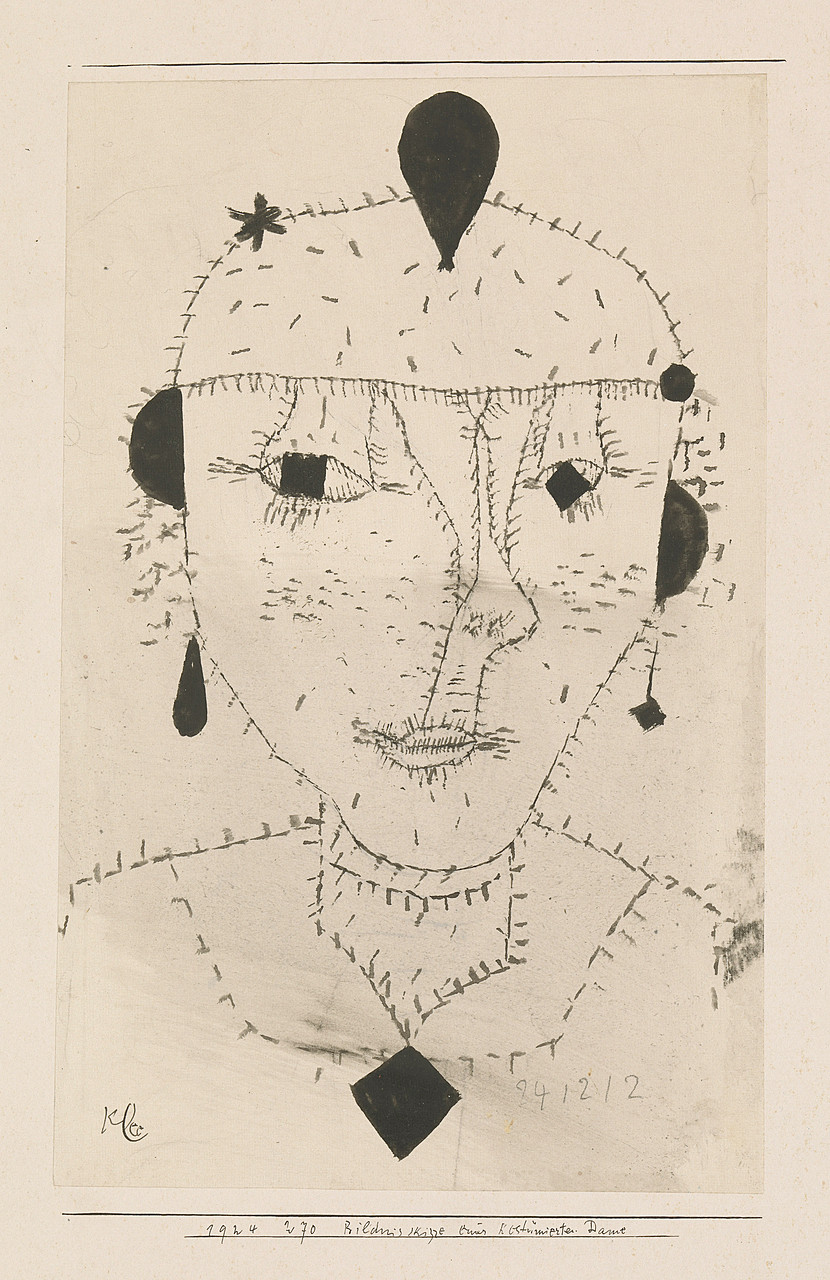
Trace Monotypes by Emin, Gauguin and Klee. Klee’s piece has also been developed with ink after printing.
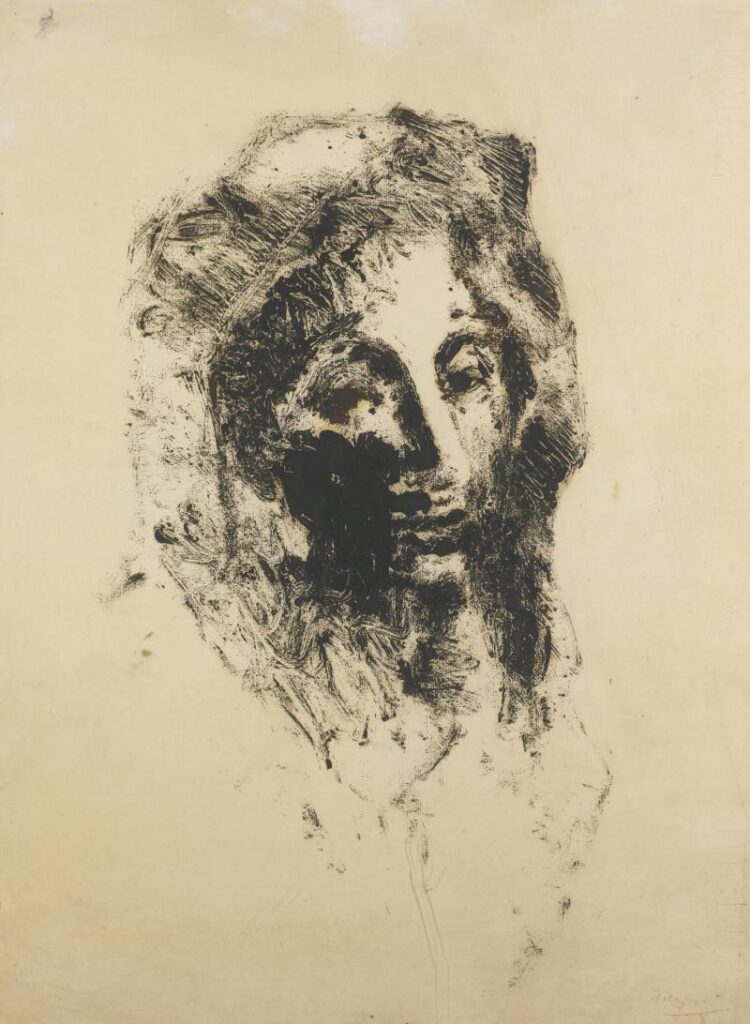
Subtractive monotype by Picasso, with some ink also added to the plate in cheek area.
And to inspire some some confident line work, I showed this very short, but lovely, film of Matisse making a line portrait of a boy.
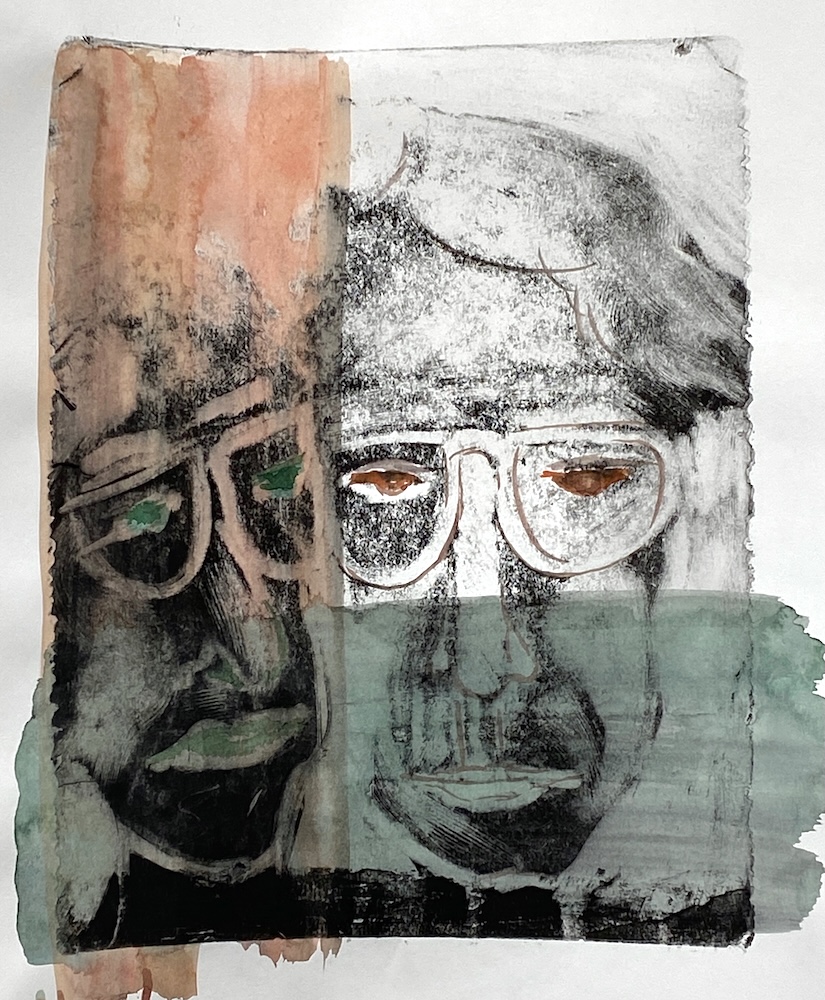
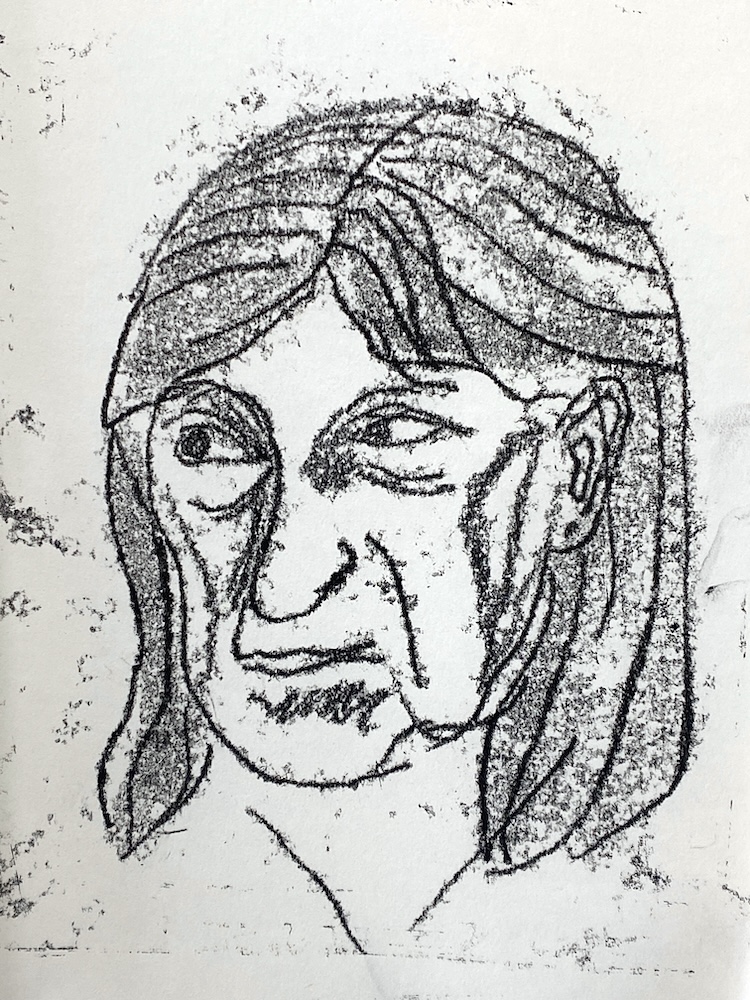
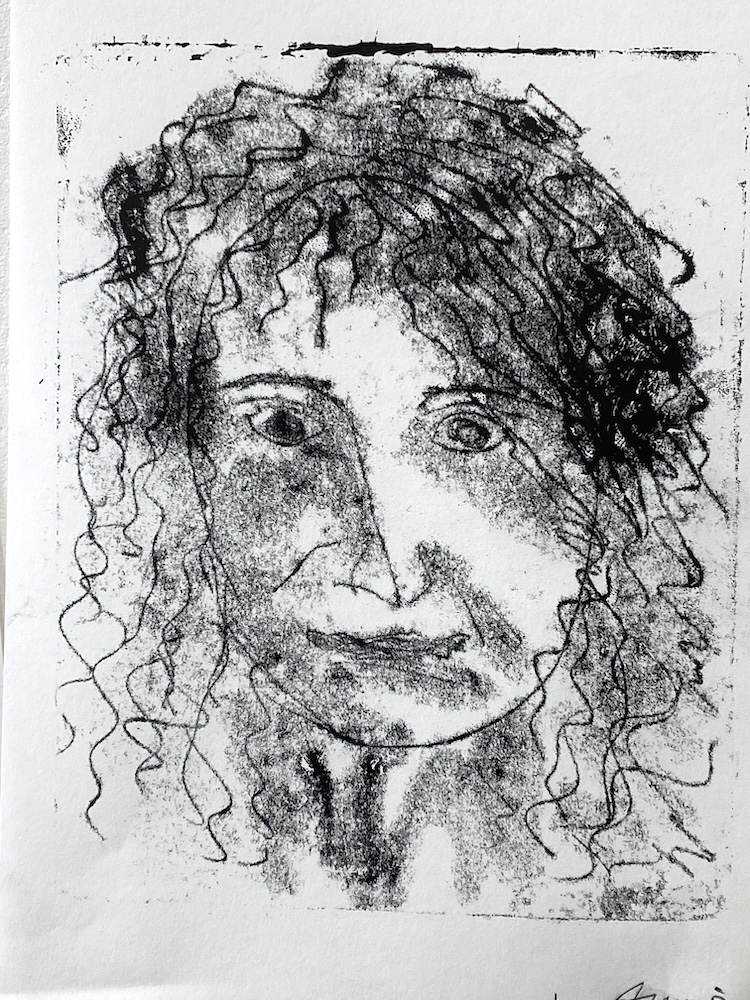
The first technique students experimented with was the Trace Monoprint method; inking up a board, laying a sheet of paper on top, and drawing on the back of the paper. The print appears on the reverse of the paper, where it has been pressed into the ink. Here’s a short film of a technique similar to the one we used.
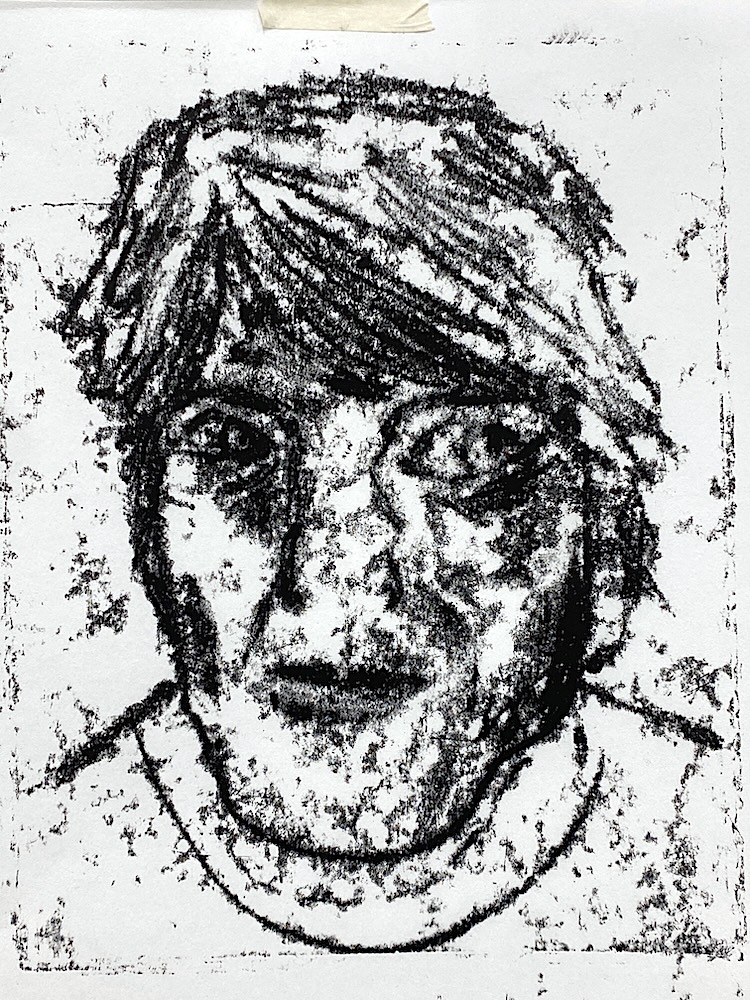
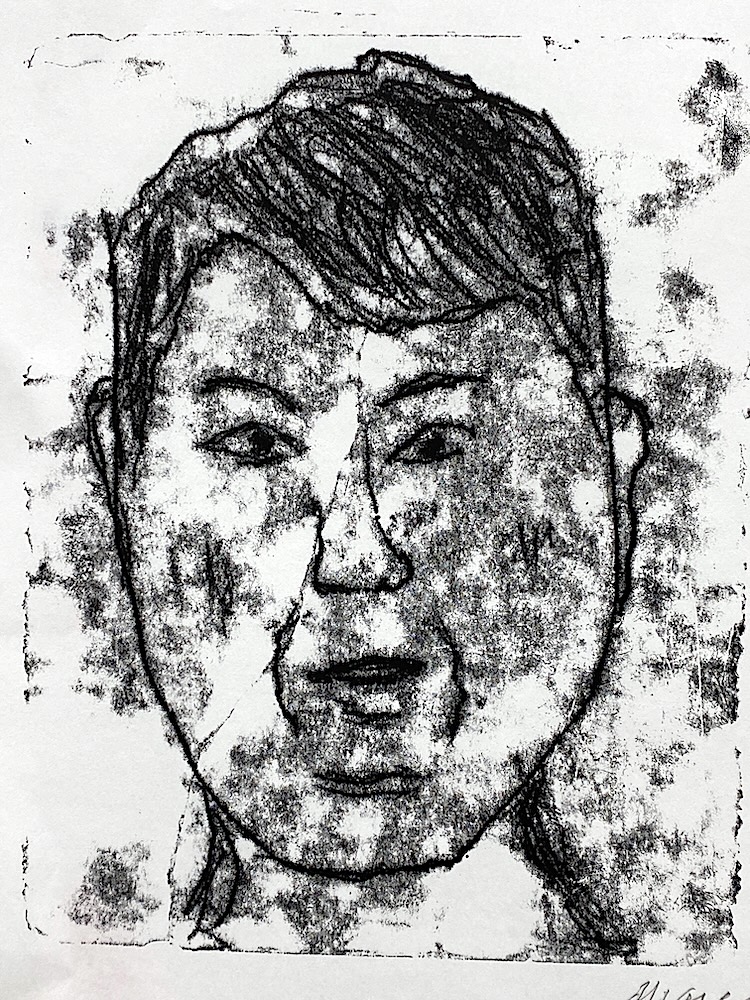
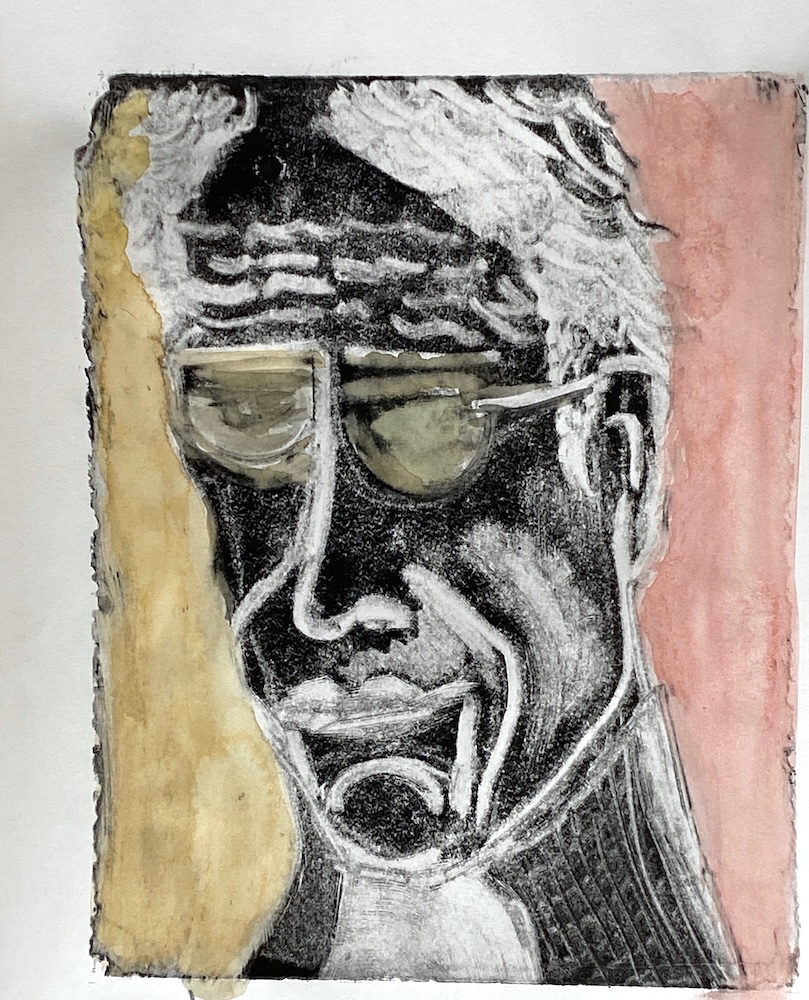
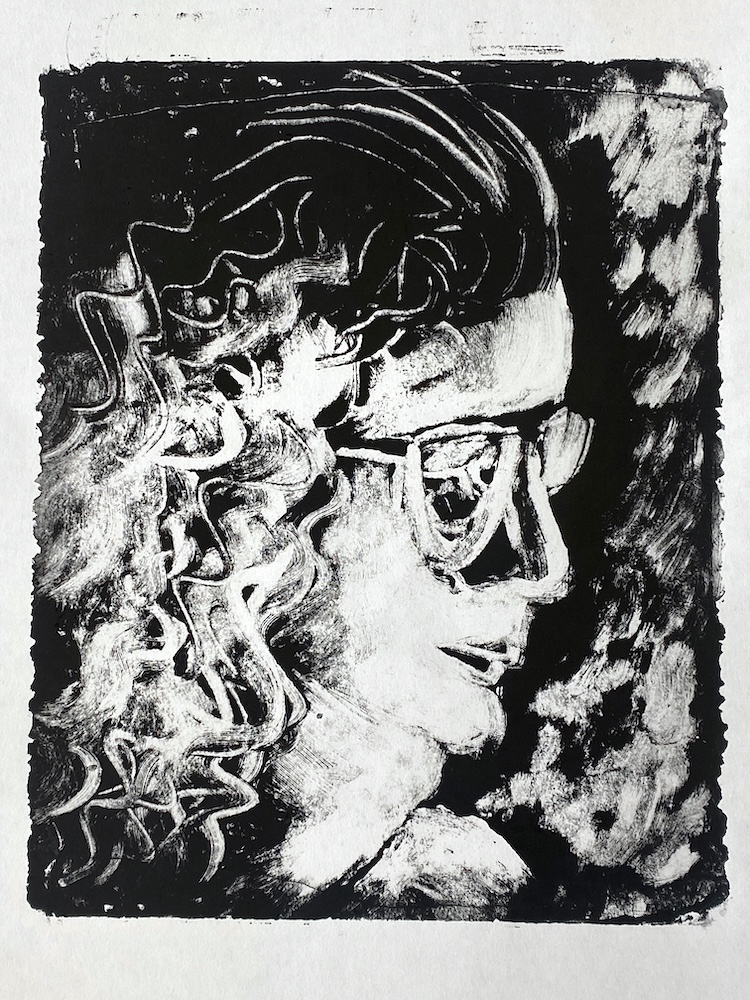
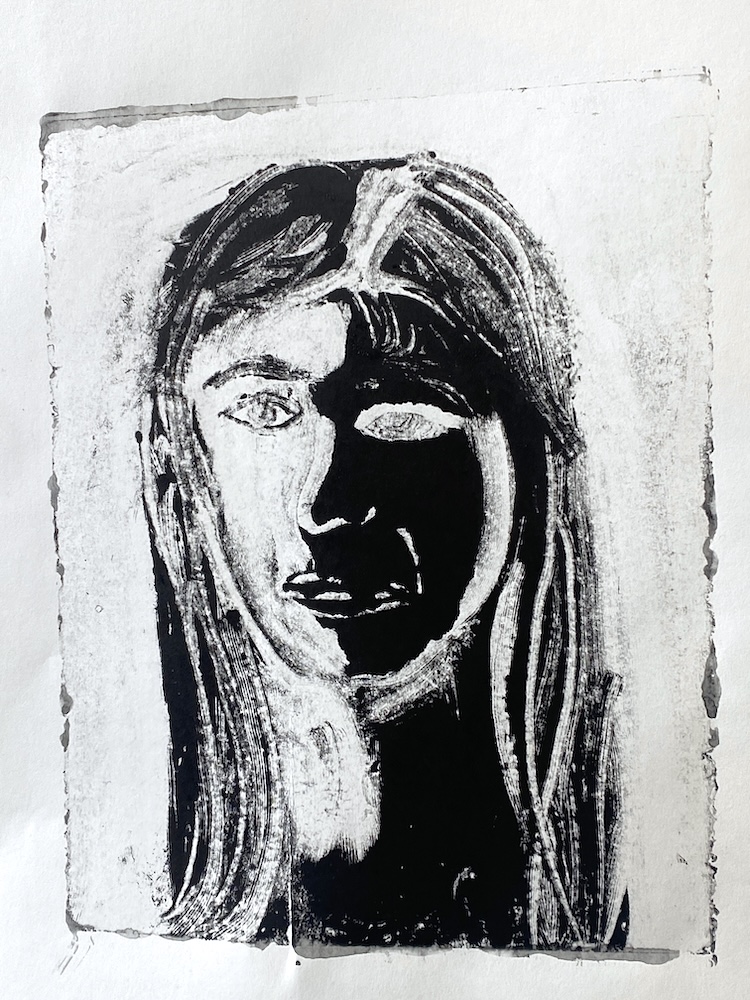
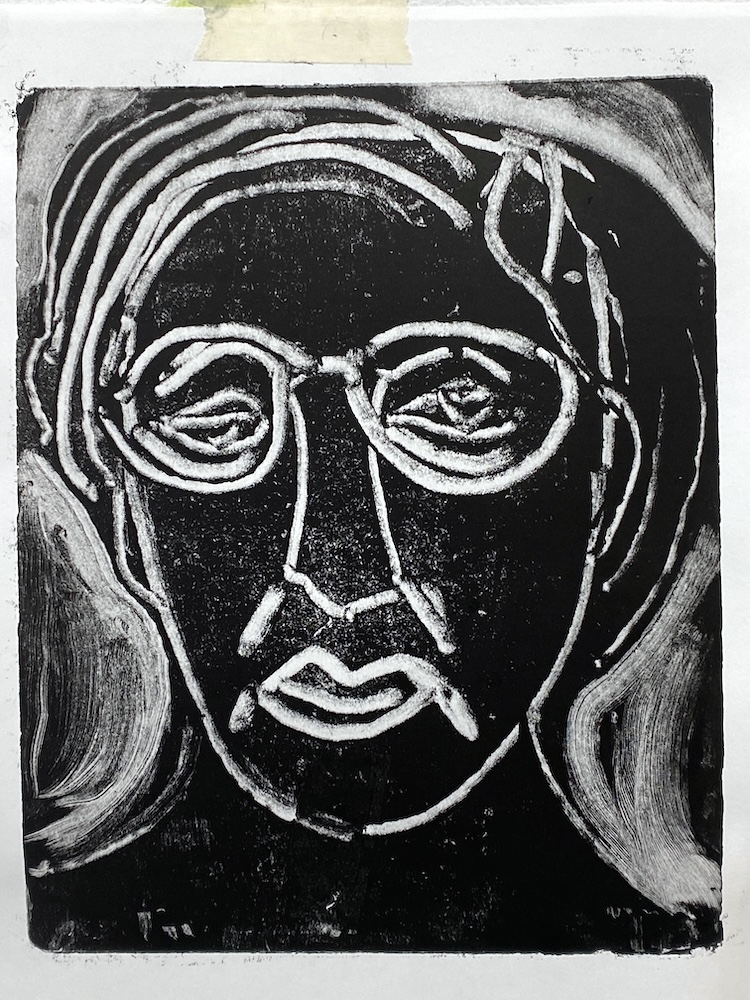
The second technique students experimented with was the Subtractive Montype method. They fully inked up their board, then wiped away to make light areas and areas of texture, then placed a sheet of paper on top and ran it under the press to transfer the image from the board to the paper. This short video is a really good example of what we did, although it’s quite a unique film in parts!!!! So watch it through first to check it’s suitable for your students (and don’t watch it if you don’t like snakes!)
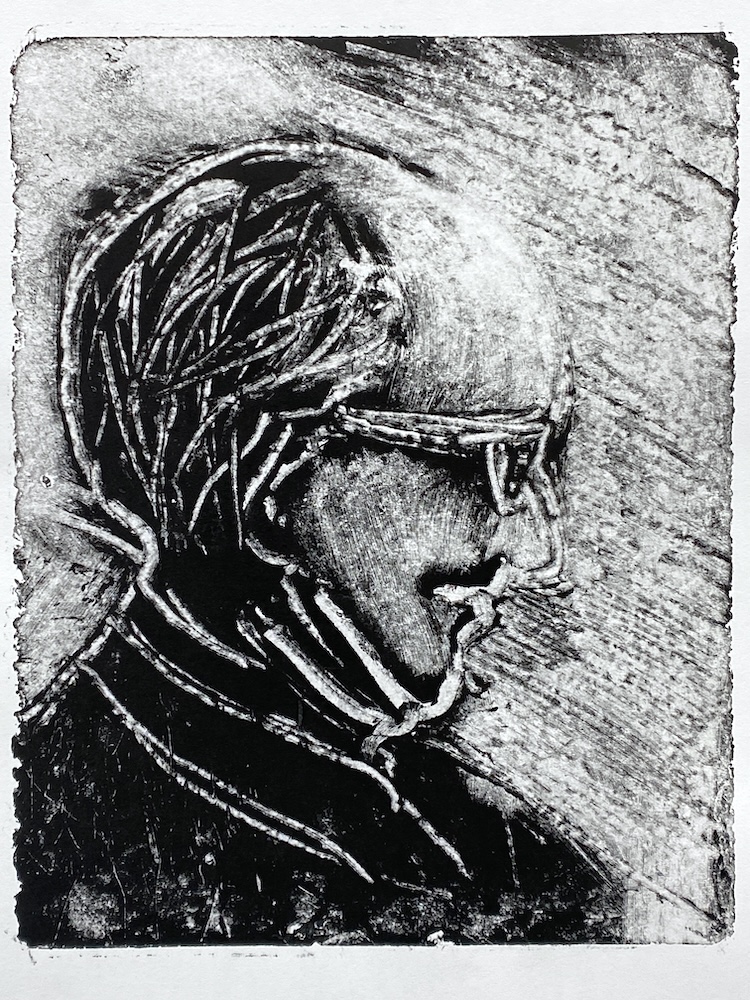
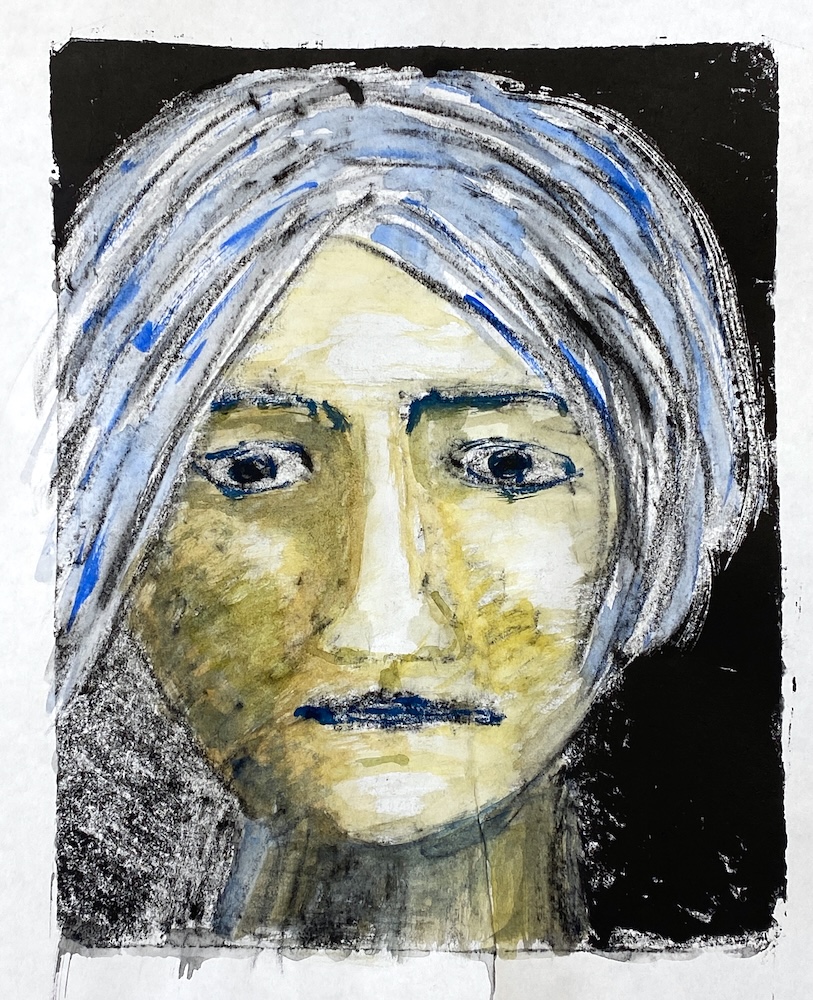
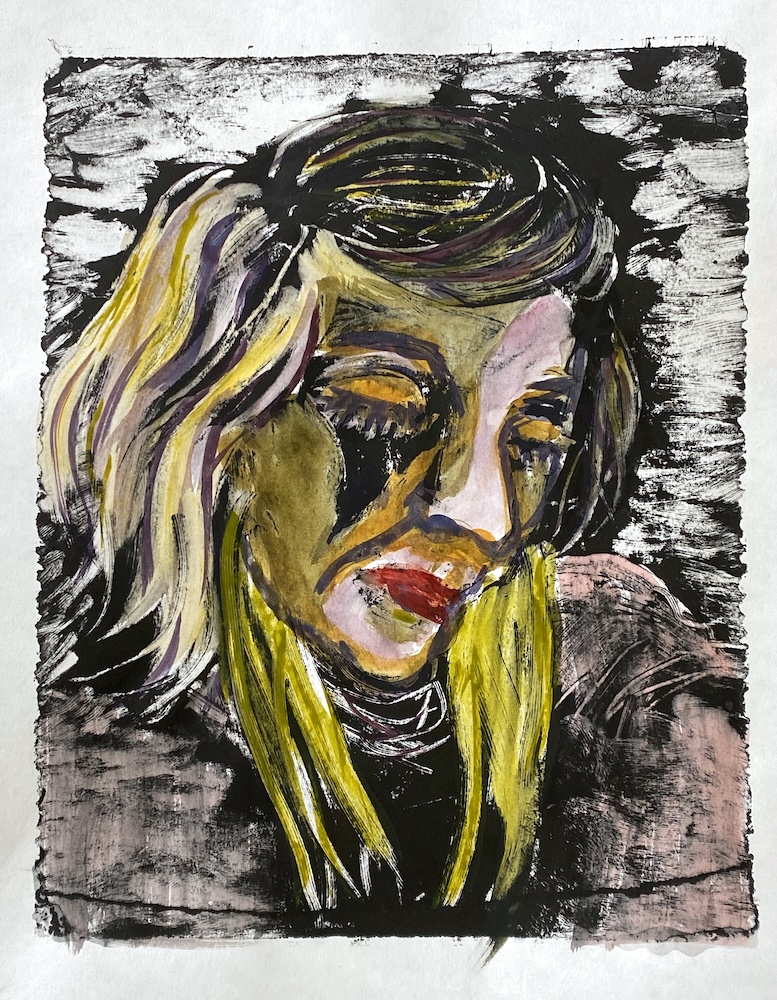
Then, after tidying away, students were encouraged to experiment to see how they might develop their pportraits using oil pastels or watercolour.