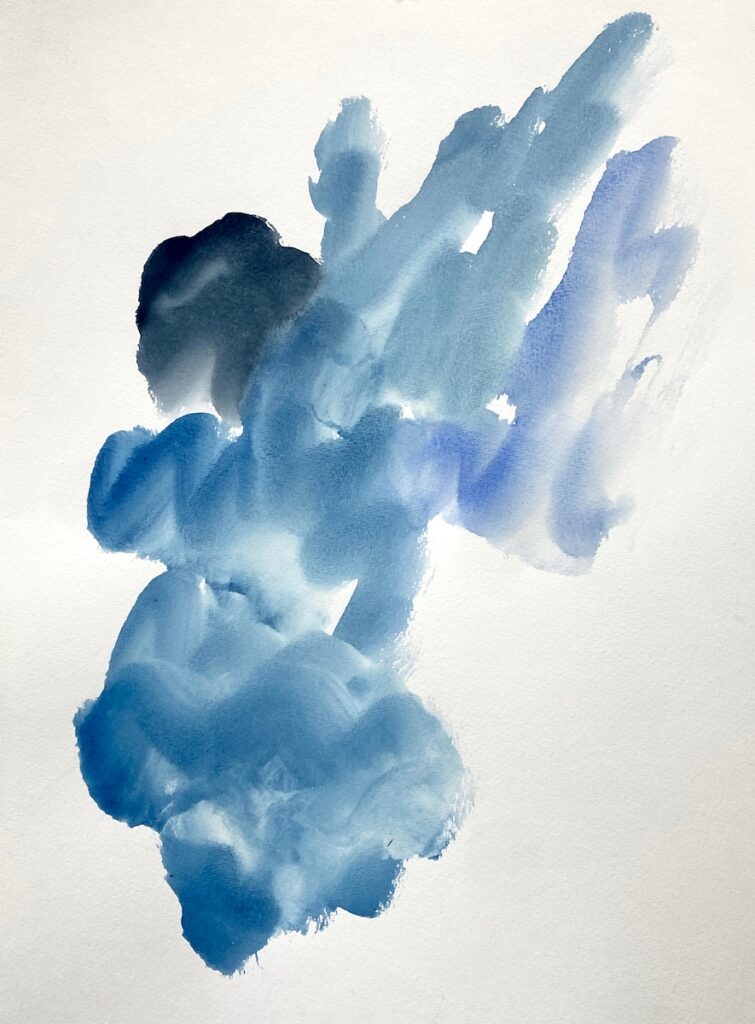
Written by Paul Regan, ©paulregan.studio
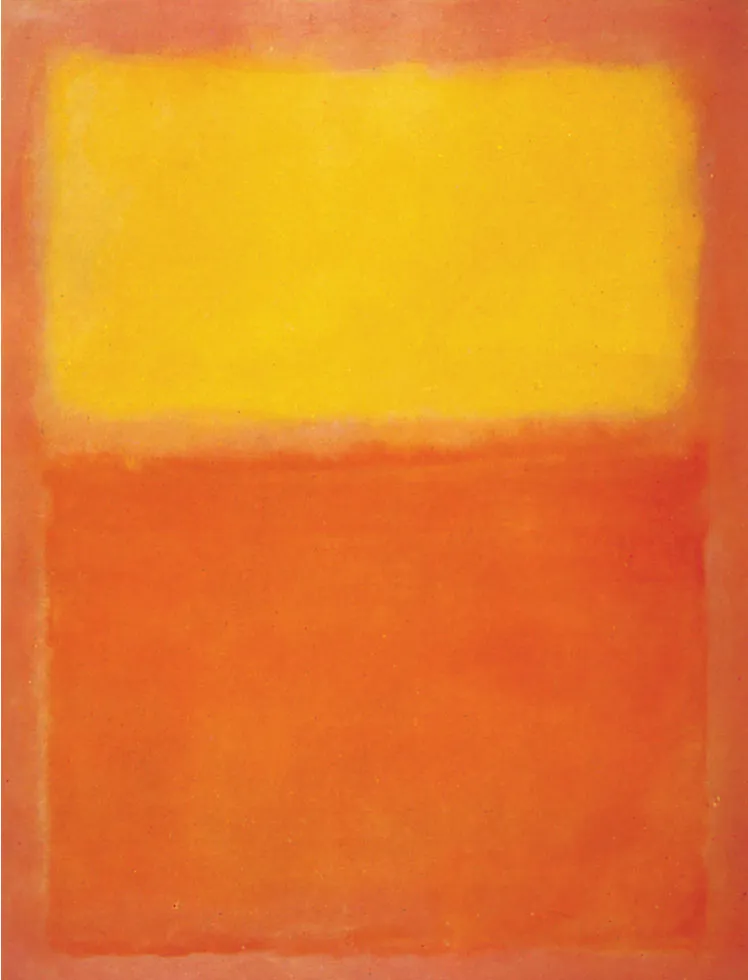
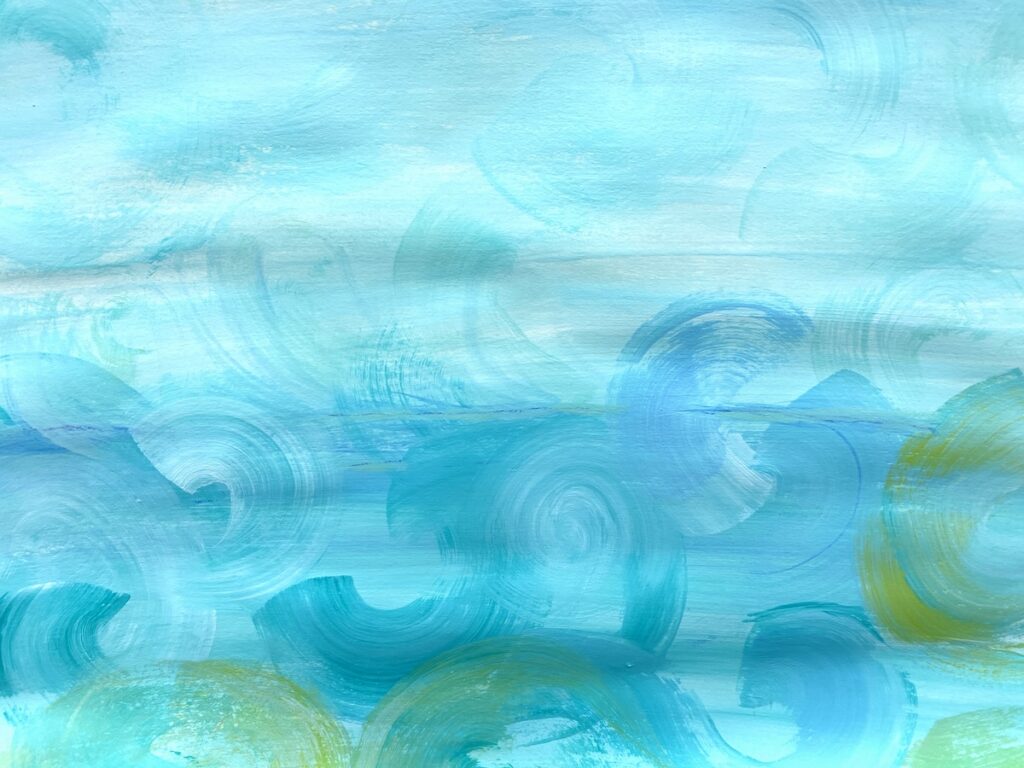
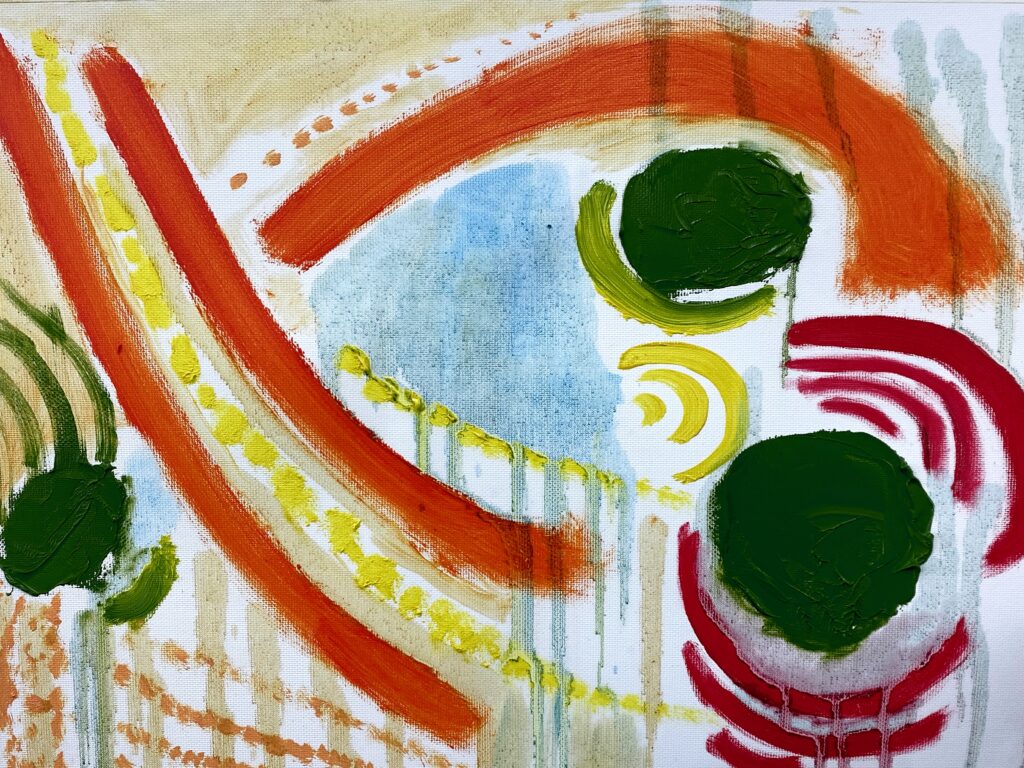
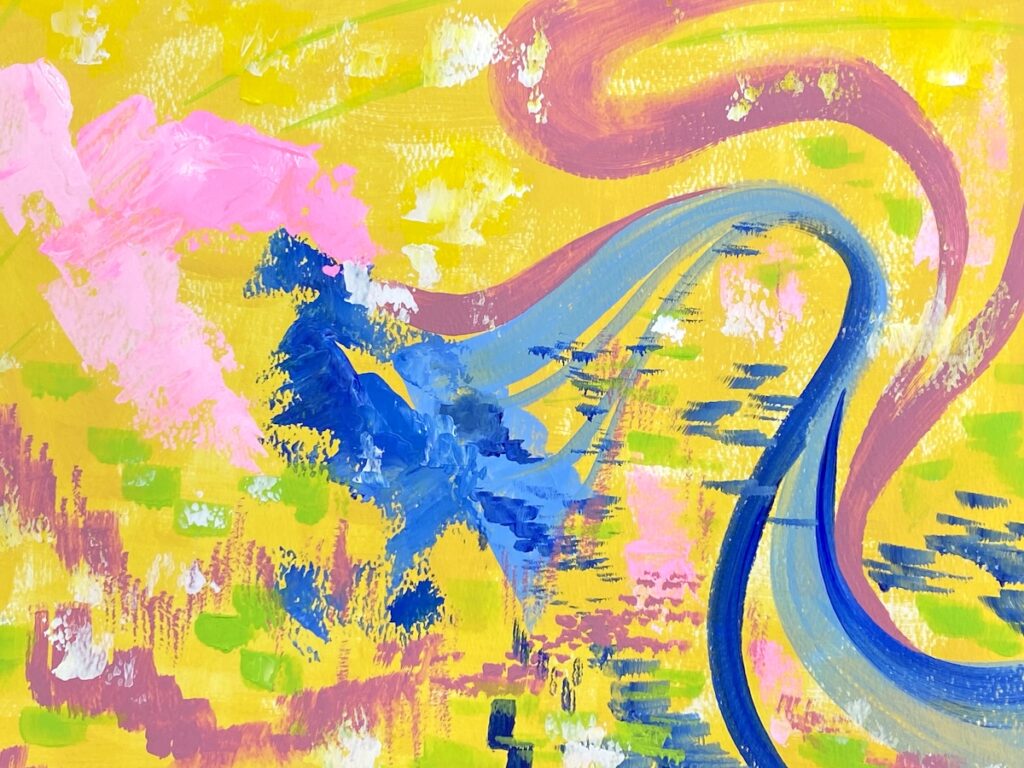
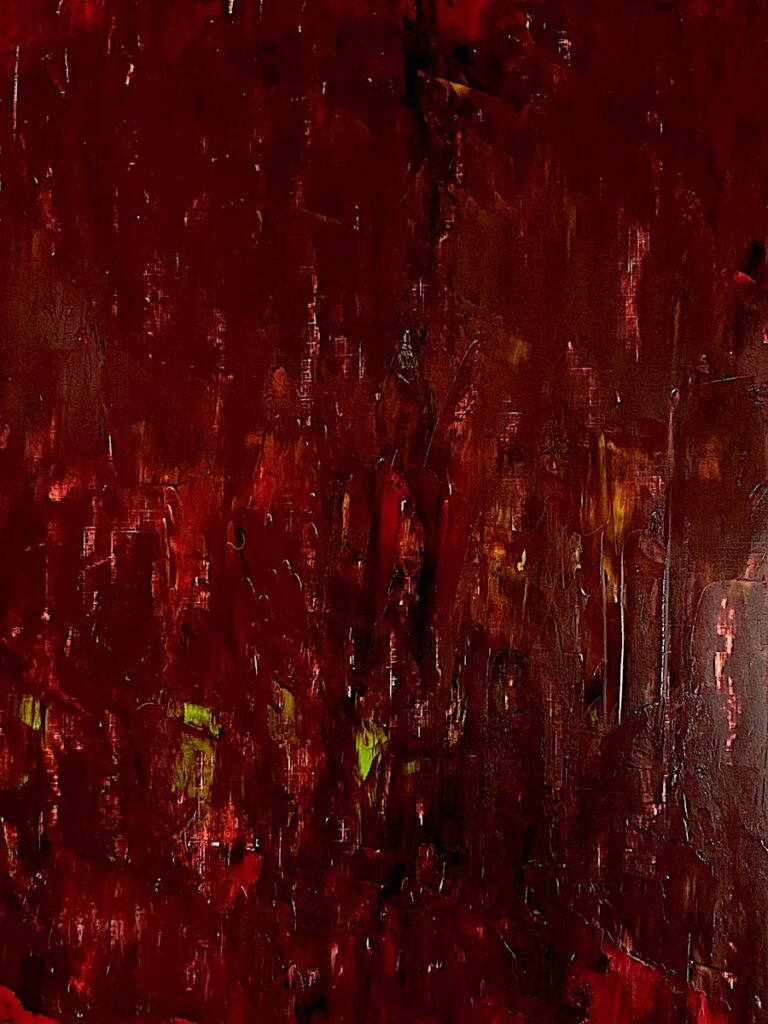
This lesson plan challenges students to consider how they can use the elements of painting; colour, tone, texture etc, to represent how they feel about a poem or song lyrics. The session below was delivered in two and a quarter hours.
Students need to bring with them a short poem or song lyrics which they connect to emotionally; about four lines works well, focusing on one emotion, rather than a range of emotions, for example:
- Walt Whitman: “Blow winds of the sea! Blow, blow, blow!”
- William Wordsworth: “A host, of golden daffodils; Beside the lake, beneath the trees, Fluttering and dancing in the breeze.”
- Emily Dickinson: “Hope’ is the thing with feathers — That perches in the soul — And sings the tune without the words — And never stops — at all —”
The following abstract prompt sheet can be downloaded and used for teaching. If you do use this lesson plan, please remember to credit paulregan.studio. Talk through the worksheet step by step whilst students mix and apply paint to large worksheets. Focus on one element at a time.
Students to consider how the experiments on the worksheet can be used to make an abstract painting. To help with this, either show examples of abstract artwork, for example paintings by Mark Rothko, Jackson Pollock, and Agnes Martin, or input one or two of the chosen texts into Chat GPT, asking it to:
‘Give examples of fully abstract paintings made by well known artists that represent the following text. Separate results into sections according to the different ways that the text could be interpreted emotionally: (*input text here*).’
Chat GPT results for abstract artworks that might represent the Emily Dickinson text can be downloaded below.
Students to make one or more abstract works, considering every mark, applying them confidently and with purpose.
Exhibit work at the end. Ask students to ‘read’ some of the abstract paintings by discussing the emotion and mood of the works.
Additional:
If extra time is available, paintings can be scaled up. The ‘Brussels Museum’ selection on the Photofunia app is a fun way of showing how a students abstract painting would look as a huge work in a gallery.
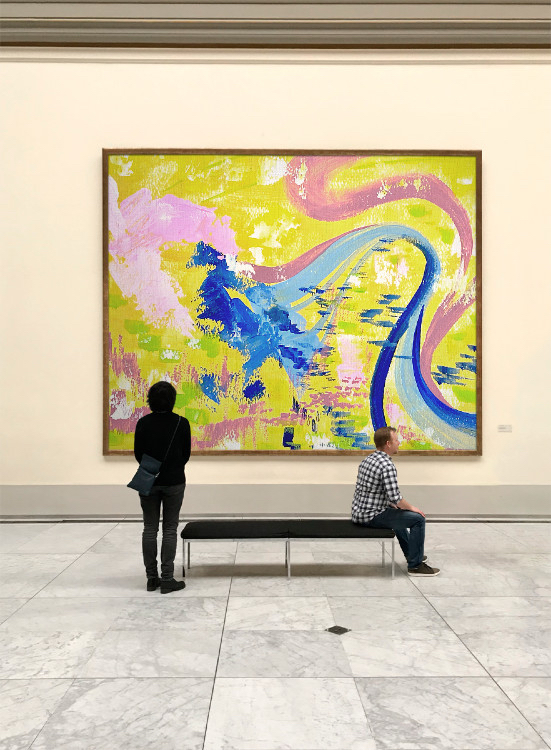
We need to learn to ‘read’ abstract paintings. Picasso once said (something like): ‘I do not read English, an English book is a blank book to me. This does not mean that the English language does not exist.’
During the exhibition section at the end, work can be moved around to consider it’s curation, for example, students could pair up work of opposite emotions.
For more abstract lesson ideas, have a look at the resources; Abstract and Colour, Abstracting, or Notes on Cubism.